Is lion's mane a magic mushroom?
No. Lion's mane contains no psilocybin or any other psychedelic compound, and it is legal to buy and eat in the UK. It is an ordinary edible mushroom that some people take as a supplement.
Independent guide for the UK
A shaggy white mushroom that grows on old beech and oak, now sold as capsules, powders and coffee that promise a sharper brain. We read every human trial, say how strong the evidence really is and explain how to take it safely.
Each common claim, graded by the quality of the human evidence behind it. Most of the excitement comes from cell and animal studies; the human trials are small, short and often funded by the people selling the product.
Memory in older adults with mild decline
Three small placebo-controlled trials (30 to 41 people each) found better scores on short memory tests.
Moderate
Focus and thinking in healthy adults
Five small trials. Two found a quicker response on one or two tasks after a single dose; three found nothing.
Weak
Two small studies found lower scores, but one had no placebo group and the other mostly compared people with themselves.
Weak
Sleep
Better sleep scores in one study without a placebo group; a placebo-controlled study found no change.
Weak
Stomach and gut health
Lab and animal work, plus studies of mixed supplements that also contained other ingredients.
Weak
Nerve repair and neuropathy
Promising in rats and cell cultures; no trial in people.
None
Immunity
Lab and animal studies of its beta-glucans only.
None
Cancer
Cell and animal studies only. Never use it in place of cancer treatment.
None
Blood sugar and diabetes
Animal studies only.
None
10 trials, 338 people. Memory studies in older adults look the most promising; studies in healthy young adults mostly found nothing. See the full details and caveats.
| Study | Who took part | Dose | Length | Result |
|---|---|---|---|---|
| Evans 2026 | 10 healthy adults aged 18 to 55 | 2 g a day | 28 days | No benefit found |
| Surendran 2025 | 18 healthy adults aged 18 to 35 | 3 g, single dose | One dose, tested at 90 minutes | No benefit found |
| Docherty 2023 | 41 healthy adults aged 18 to 45 | 1.8 g a day | 28 days | Mixed |
| La Monica 2023 | 40 healthy adults aged 18 to 50 | 1 g, single dose | One dose, tested at 1 and 2 hours | Mixed |
| Grozier 2022 | 24 healthy college-age adults | 10 g a day | 4 weeks | No benefit found |
| Li 2020 | 41 people with mild Alzheimer’s disease | 1.05 g a day (3 × 350 mg) | 49 weeks | Benefit found |
| Saitsu 2019 | 31 adults over 50 (average age 61) | 3.2 g a day | 12 weeks | Mixed |
| Vigna 2019 | 77 adults with overweight or obesity on a low-calorie diet | 1.5 g a day | 8 weeks | Benefit found |
| Nagano 2010 | 26 women with general health complaints (average age 41) | 2 g a day | 4 weeks | Mixed |
| Mori 2009 | 30 adults aged 50 to 80 with mild cognitive impairment | 3 g a day | 16 weeks | Benefit found |
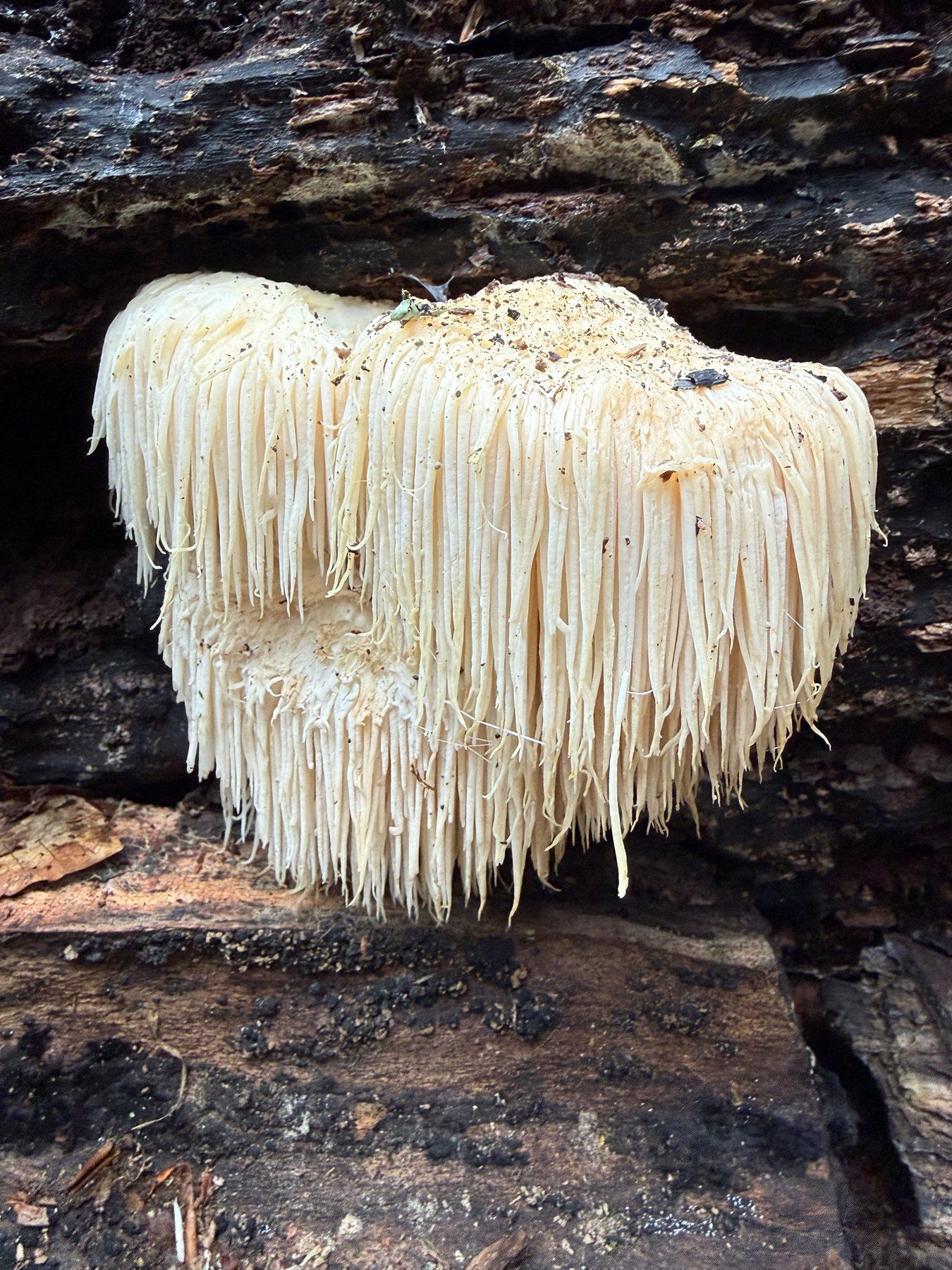
It is one of the few fungi listed under the Wildlife and Countryside Act 1981, so picking it in the wild is against the law. Every lion’s mane you can legally eat or buy in the UK is cultivated, usually on sawdust or grain.
What the law says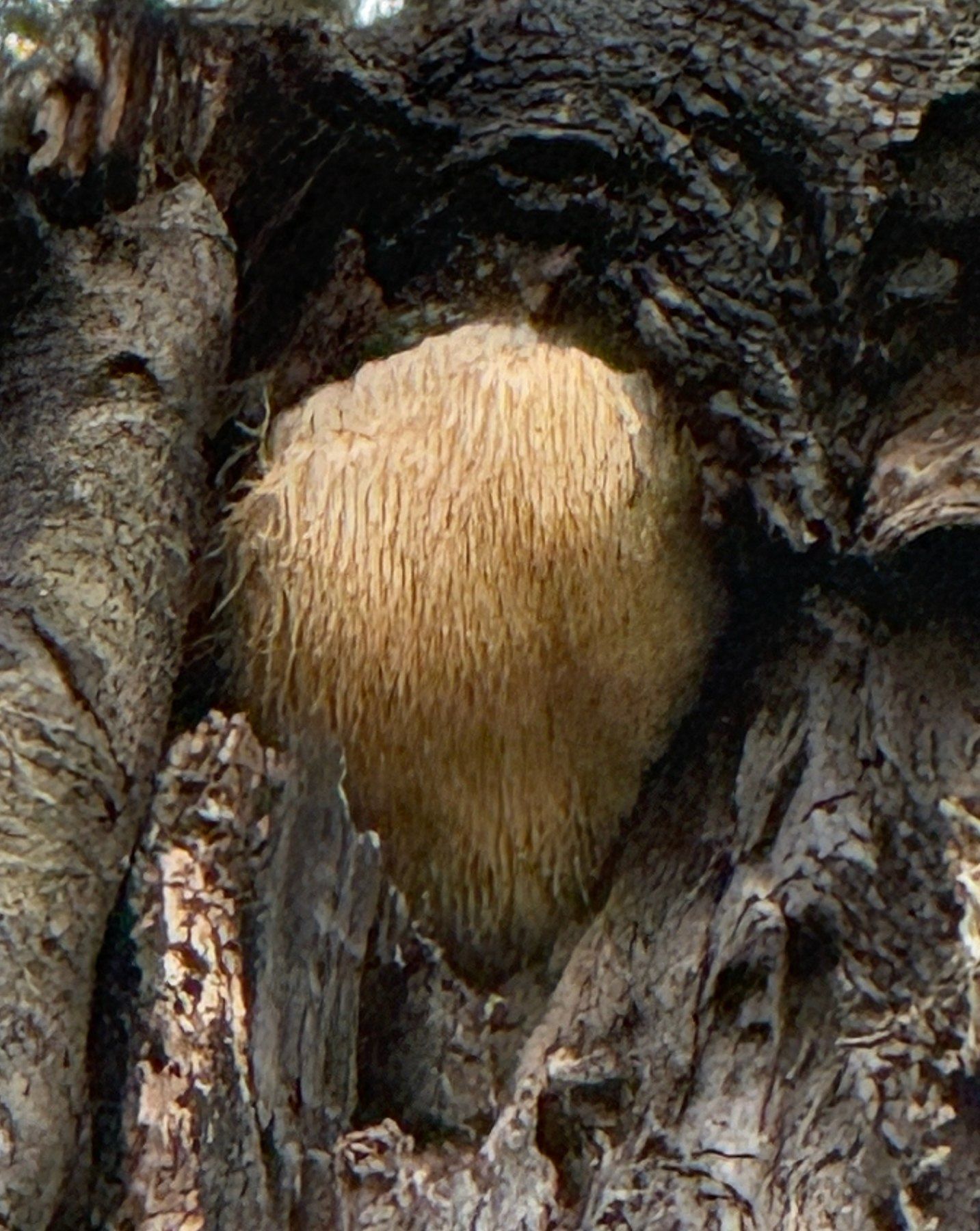
Six guides, in the order most people need them: what it is, what it does, whether it is safe, how to take it and how to buy it.
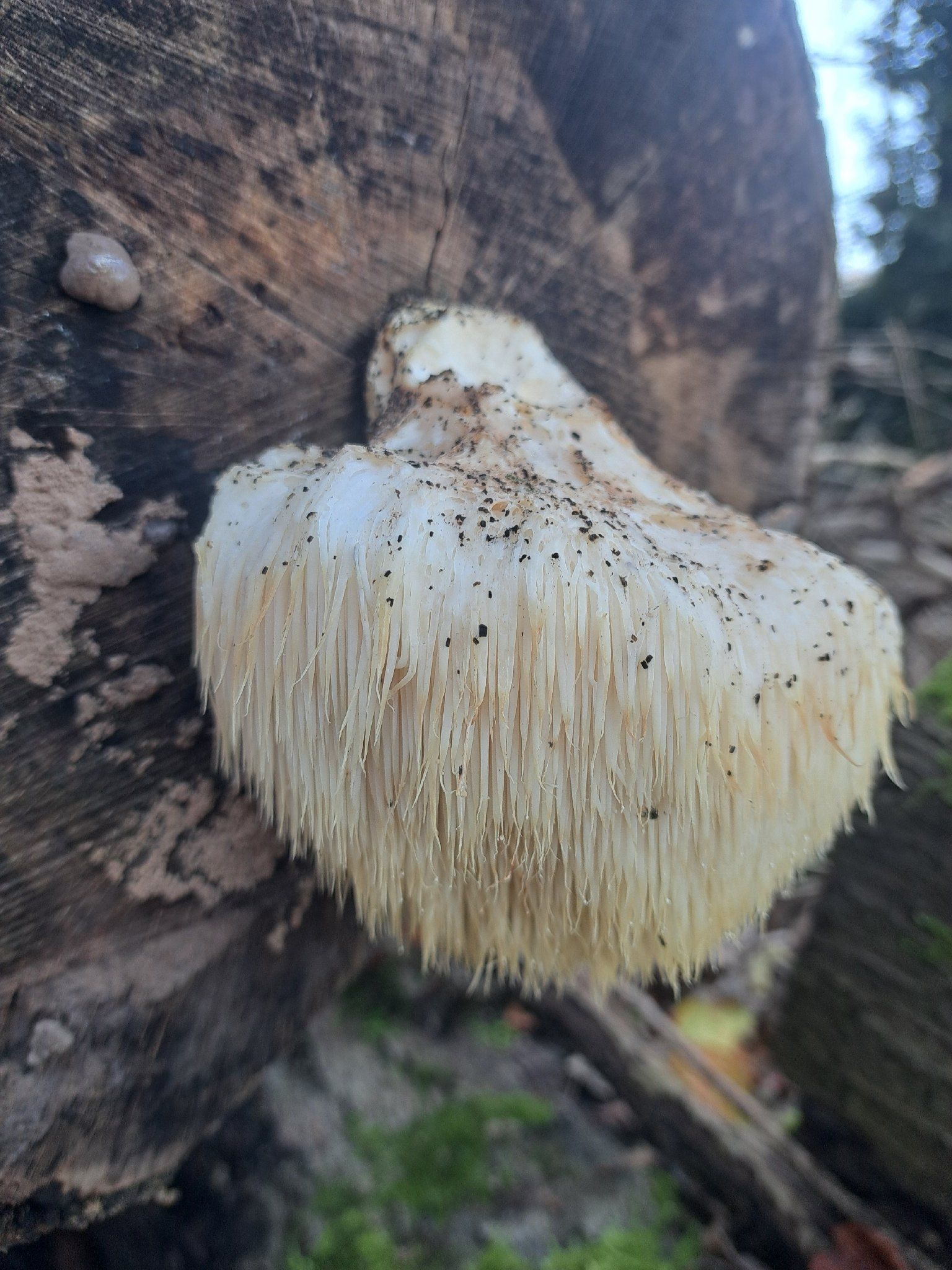


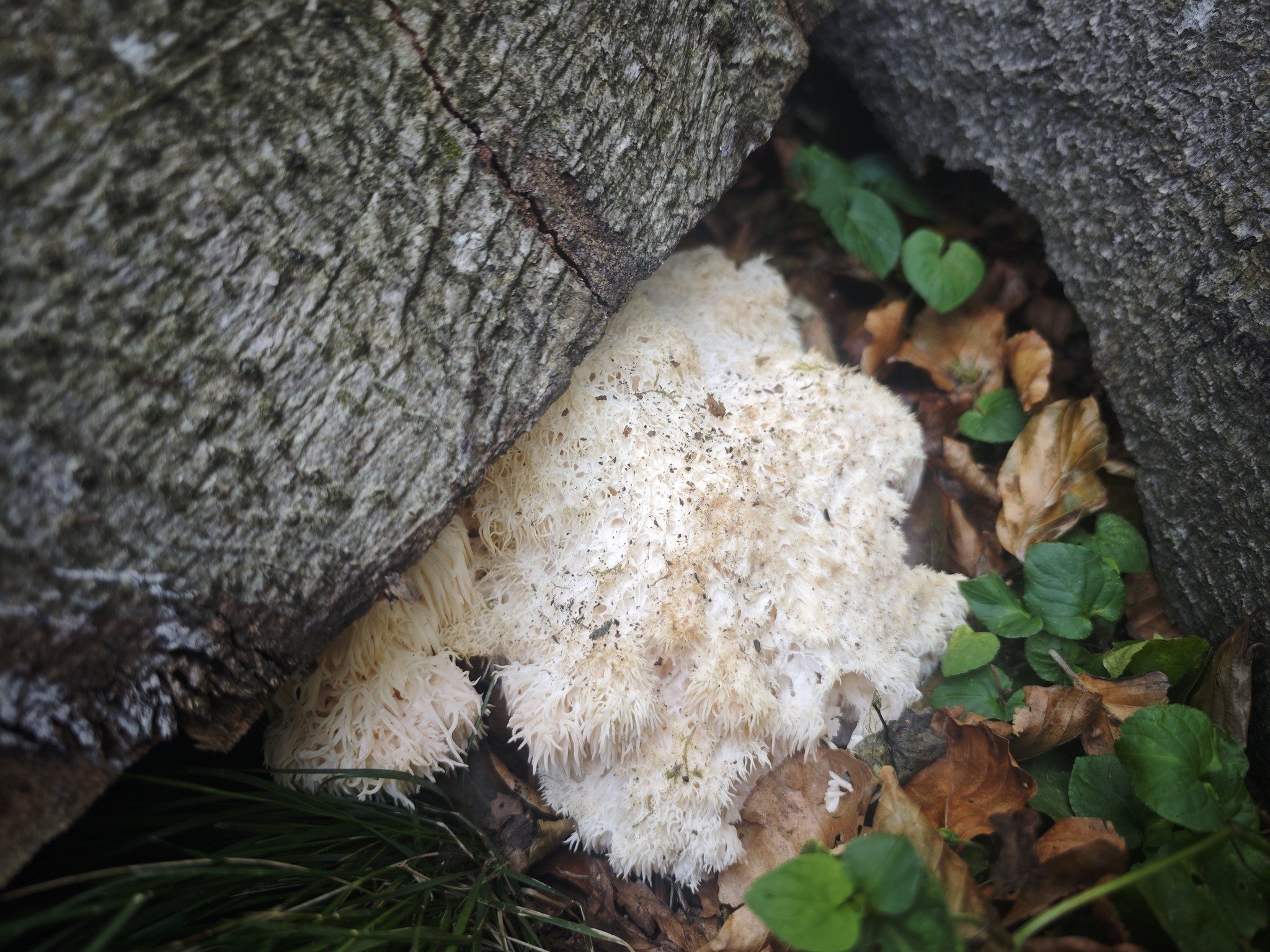
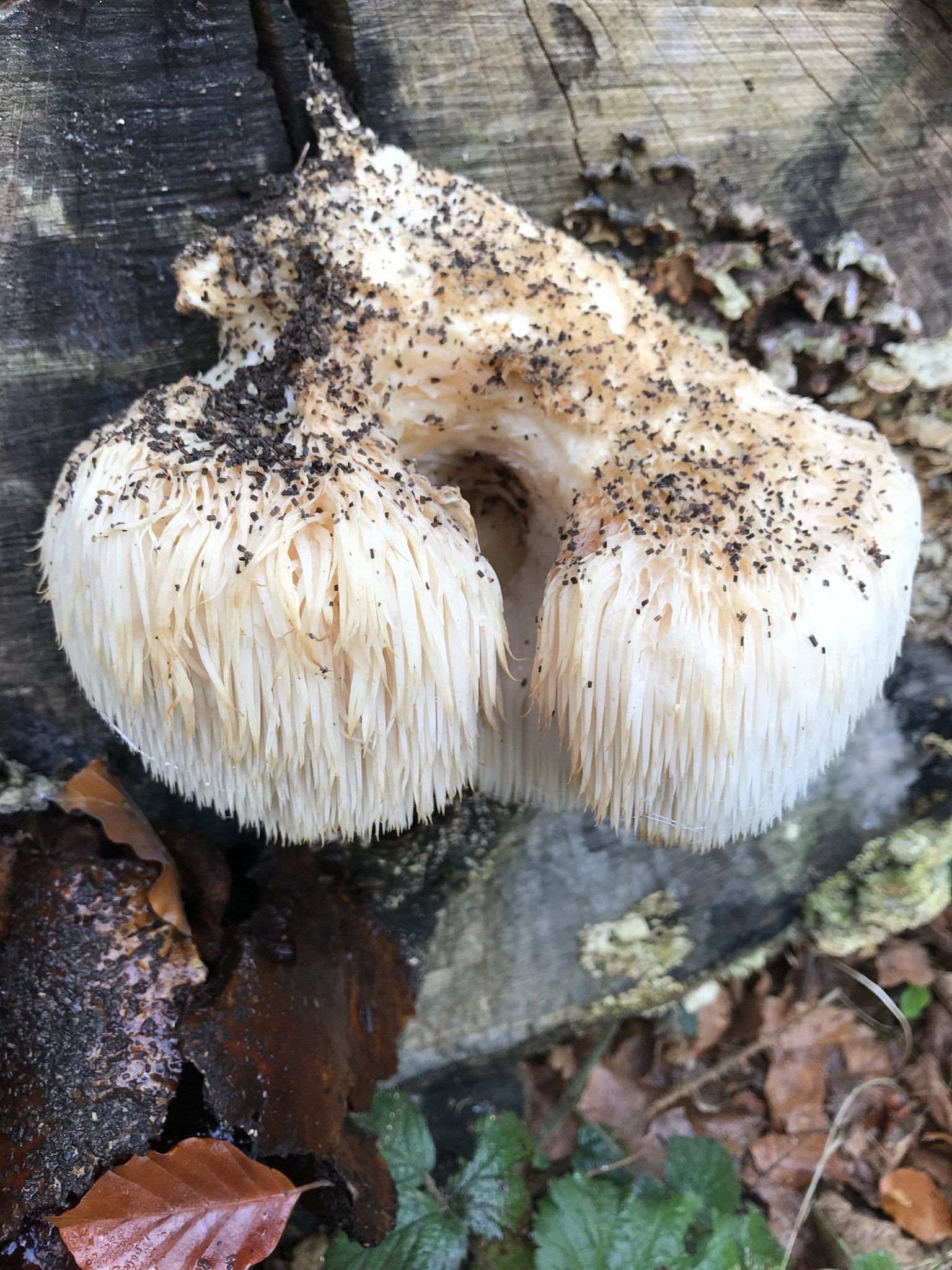
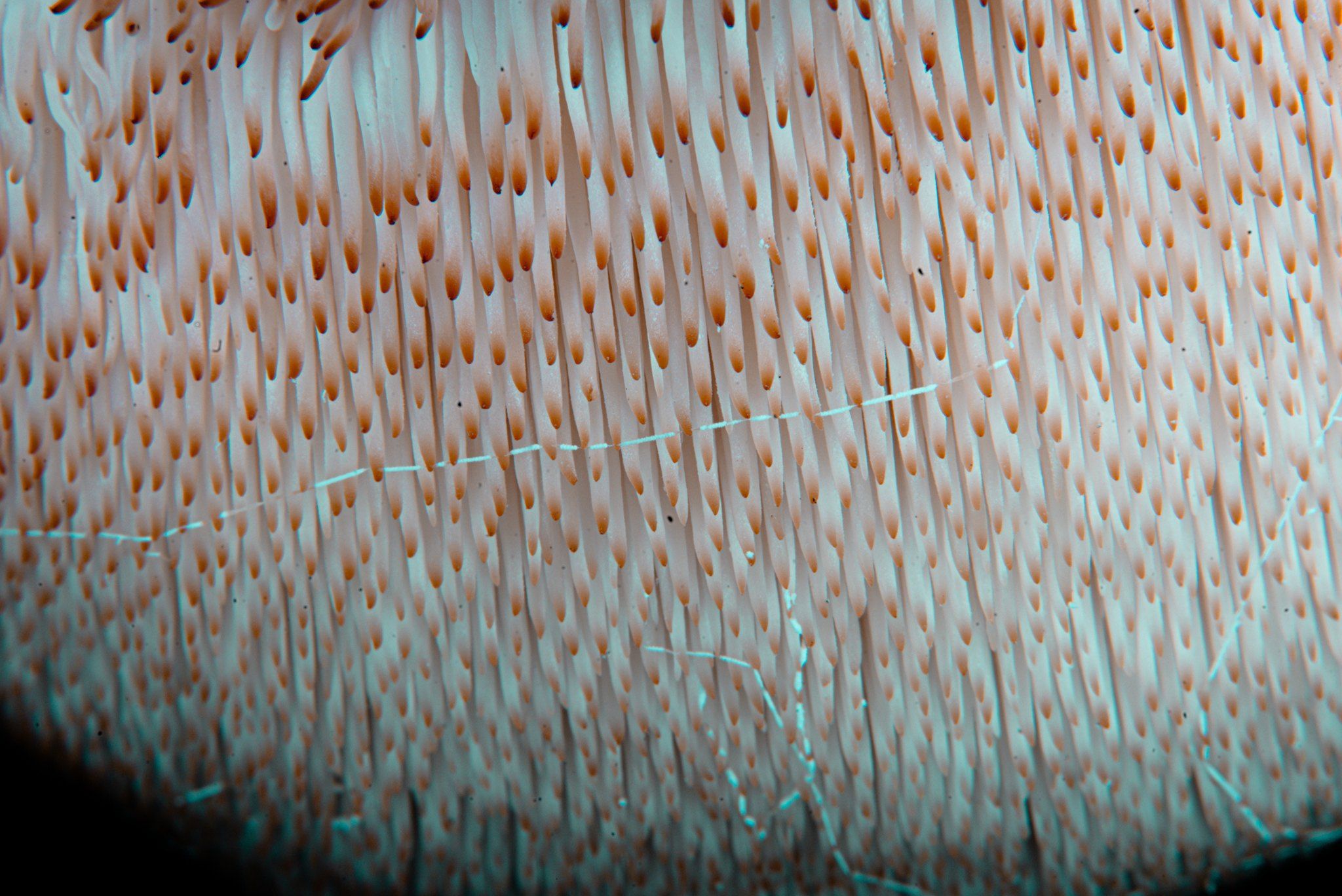
Photographs from iNaturalist: ionafraser (CC BY 4.0), Maciej Boenisch (CC BY 4.0), Shane Austin (CC BY 4.0), James Carr (CC BY 4.0), iNaturalist contributor (CC0), Michael Warner (CC BY 4.0).
Short answers, each linked to the guide that explains it in full.
No. Lion's mane contains no psilocybin or any other psychedelic compound, and it is legal to buy and eat in the UK. It is an ordinary edible mushroom that some people take as a supplement.
For some things, possibly. Three small trials in older adults with mild memory problems or early Alzheimer's found modest improvements on memory tests. In healthy young adults most trials found little or no effect. Many popular claims have never been tested in people.
The longest trial gave about 1 g a day of mycelium extract for 49 weeks and reported no serious side effects. Daily use at trial doses appears safe for most adults, but there is no data beyond a year.
The trials gave it with meals, usually split through the day, and none compared times of day. Morning is a sensible default; if it upsets your stomach, take it with a larger meal.
We do not rank or recommend brands, because we take no money from sellers. The best product is one that tells you which part of the mushroom it uses, gives a beta-glucan figure from a named test, and publishes a recent lab report for contaminants.
We count ten published trials of lion's mane on its own, as of November 2026. There are also a few studies of multi-ingredient products that contain lion's mane, which we leave out because their results cannot be put down to lion's mane alone.